Best Puerto Rican Pernil Recipe for Flavorful Family Feasts
Last Updated on May 8, 2026 by rodrigorecipez
The moment the rich, savory aroma of garlic and herbs wafts through my kitchen, I m instantly transported to sun-soaked Puerto Rico. This is more than just a meal; it s a celebration of flavors wrapped in my go-to recipe for the best Puerto Rican Pernil, a mouthwatering pork shoulder roast.
After a long week of takeout and fast food, I found myself yearning for a dish that s both comforting and indulgent, and this recipe beautifully fits that bill. There’s a certain magic in the way spices mingle with tender meat, creating a dish that makes everyone around the table want to dive in for seconds (and thirds!).
As the pork roasts low and slow, the anticipation builds, and I can t help but think of the joyful gatherings this recipe has witnessed through the years. So, roll up your sleeves, because this isn t just a recipe; it s your ticket to crafting unforgettable memories with every savory bite!
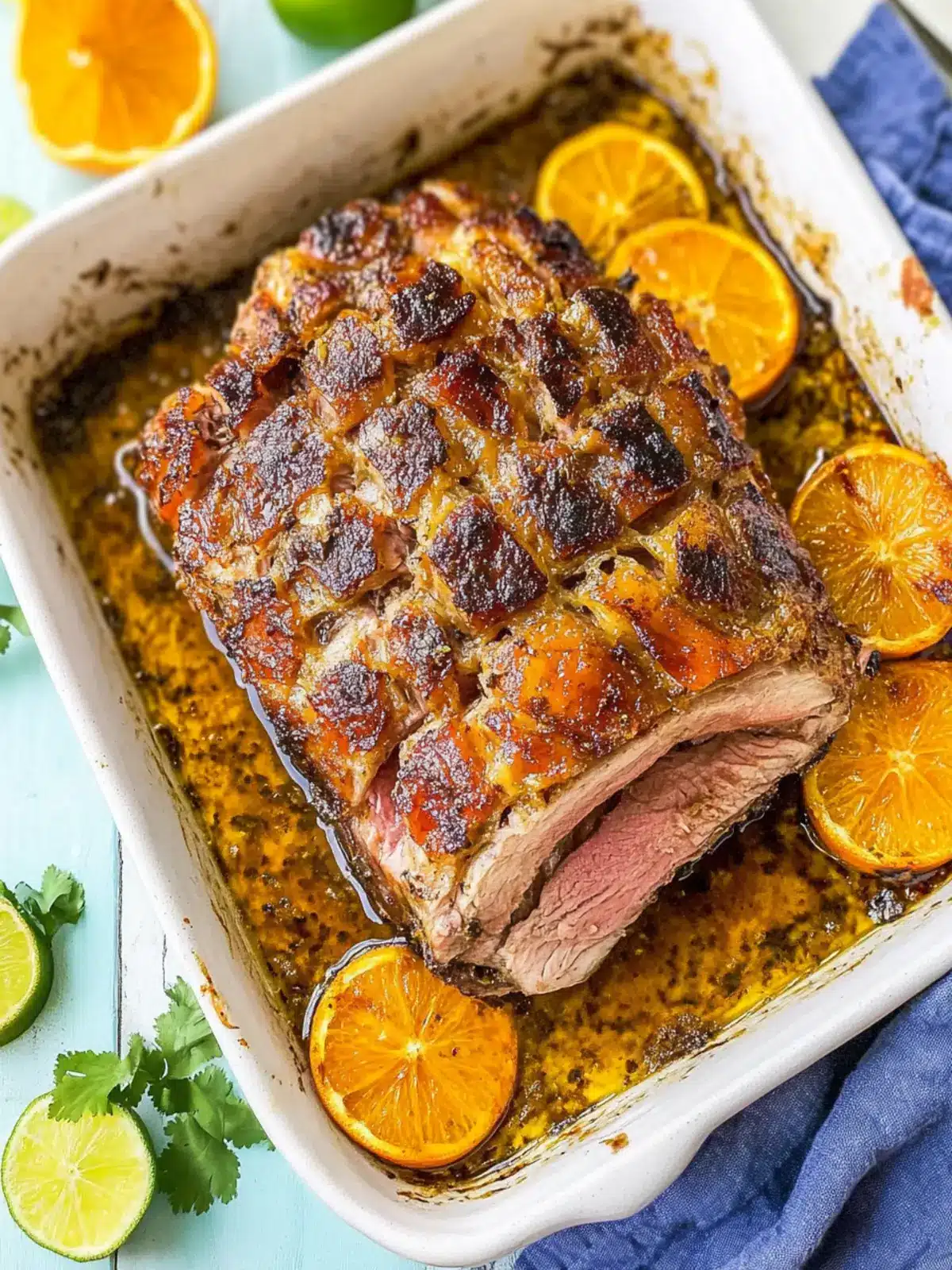
Why is this the Best Puerto Rican Pernil Recipe?
Unforgettable flavor: The perfect blend of garlic, oregano, and spices will transport your taste buds straight to the Caribbean.
Easy to prep: With simple steps and a straightforward marinating process, this recipe is accessible for both novice and seasoned cooks.
Crowd-pleaser: Whether for family dinners or party gatherings, this pork shoulder roast is sure to impress everyone around the table.
Mouthwatering aroma: As it roasts, your kitchen will fill with an irresistible fragrance that will have your guests eager to dig in.
Versatile serving options: Enjoy it with fresh orange and lime wedges, or use it as a filling for tacos or sandwiches. You might also love this slow cooker shredded pork alternative for an effortless weeknight meal!
Best Puerto Rican Pernil Ingredients
Get ready to dive into rich flavors!
For the Marinade
- Garlic 15 cloves, peeled and divided; it’s the star ingredient that infuses the meat with wonderful flavor.
- Oil 3 tablespoons; this helps in blending the marinade and adds richness.
- Green bell pepper 1, roughly chopped; provides a fresh, savory base.
- White onion 1 large, peeled and roughly chopped; enhances the dish with its sweetness.
- Fresh oregano 1 cup, stems removed; a key herb for that authentic Puerto Rican taste.
- Salt 2 teaspoons; essential for bringing all the flavors together.
- Sazon seasoning 1 packet or homemade; a must-have for that vibrant color and full-bodied taste.
- Adobo powder 1 teaspoon; adds a delicious depth of flavor.
- Ground black pepper 1 teaspoon; for a subtle kick.
- Ground cumin ½ teaspoon; it introduces a warm, earthy flavor profile.
For the Pork
- Pork shoulder roast 8 to 10 pounds, cleaned and damp dry; the perfect cut for slow roasting, ensuring tenderness and flavor.
For Cooking
- Chicken broth 3 to 4 cups; adds moisture and richness as the pork roasts to perfection.
For Serving
- Orange or lime wedges for serving; their zesty brightness complements the savory meat beautifully.
With these ingredients, you’ll be well on your way to creating the best Puerto Rican Pernil recipe that s bound to impress your family and friends!
How to Make Best Puerto Rican Pernil
Blend the Marinade: Add 5 cloves of garlic, oil, bell pepper, onion, salt, sazon, adobo powder, black pepper, and cumin to a food processor or blender. Process until smooth, about 30 seconds, then set aside to let those flavors develop.
Prepare the Roast: Cut the fat cap from the back of the roast, keeping it intact. Fold it over to reveal the succulent meat underneath, ready for flavor infusion.
Score the Meat: Cut deep holes into the roast, ensuring your finger can fit into each hole. Flip the roast over and repeat on the back, creating plenty of pockets to fill with that glorious marinade.
Stuff with Garlic: Stuff the remaining garlic cloves into the holes in the back of the roast. Spoon a third of the marinade over the back of the roast, pushing it into the holes for maximum flavor penetration.
Marinate the Top: Flip the roast over and cover the top with another third of the marinade, pushing it into the holes as well to ensure each bite is bursting with flavor.
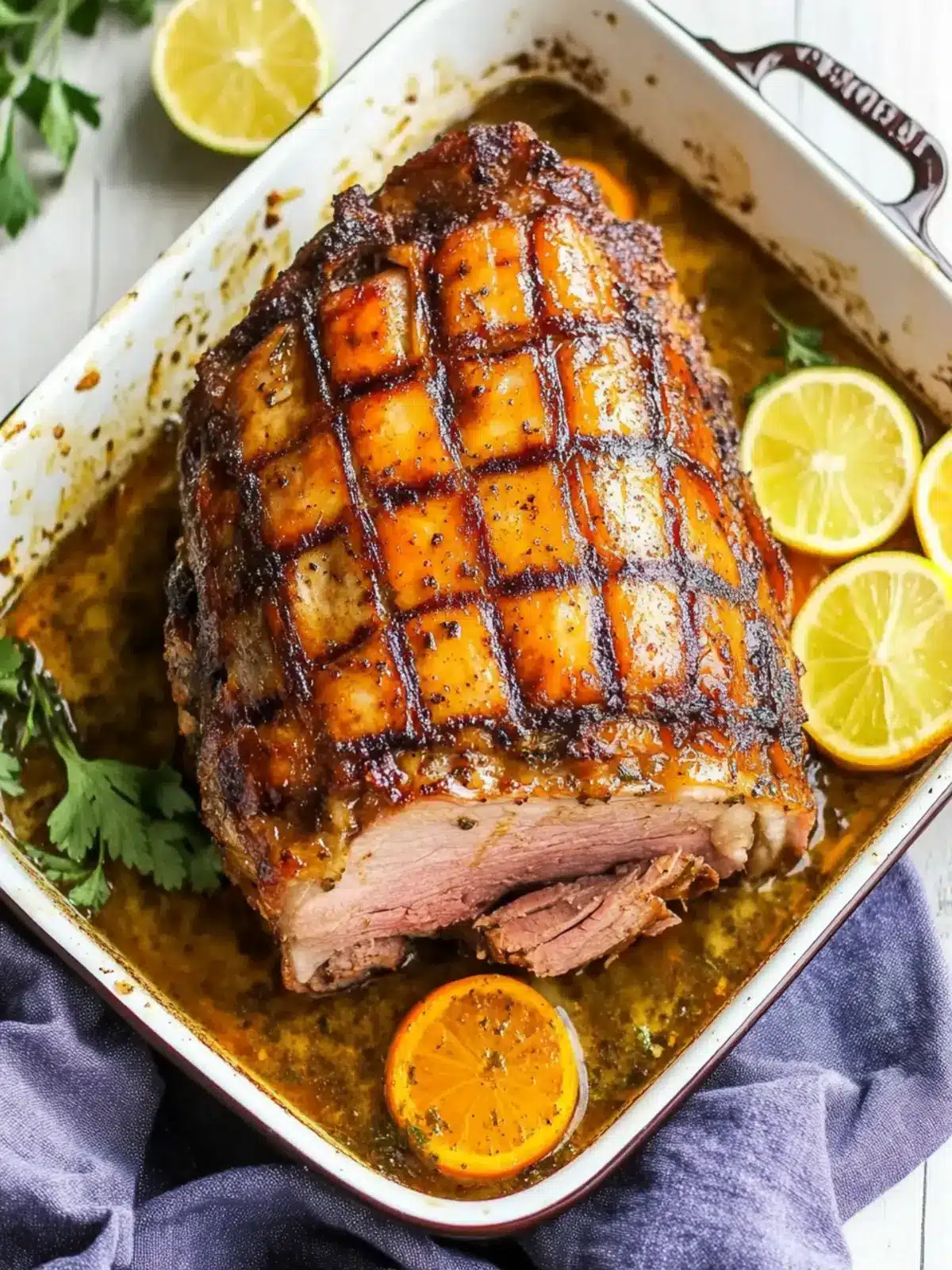
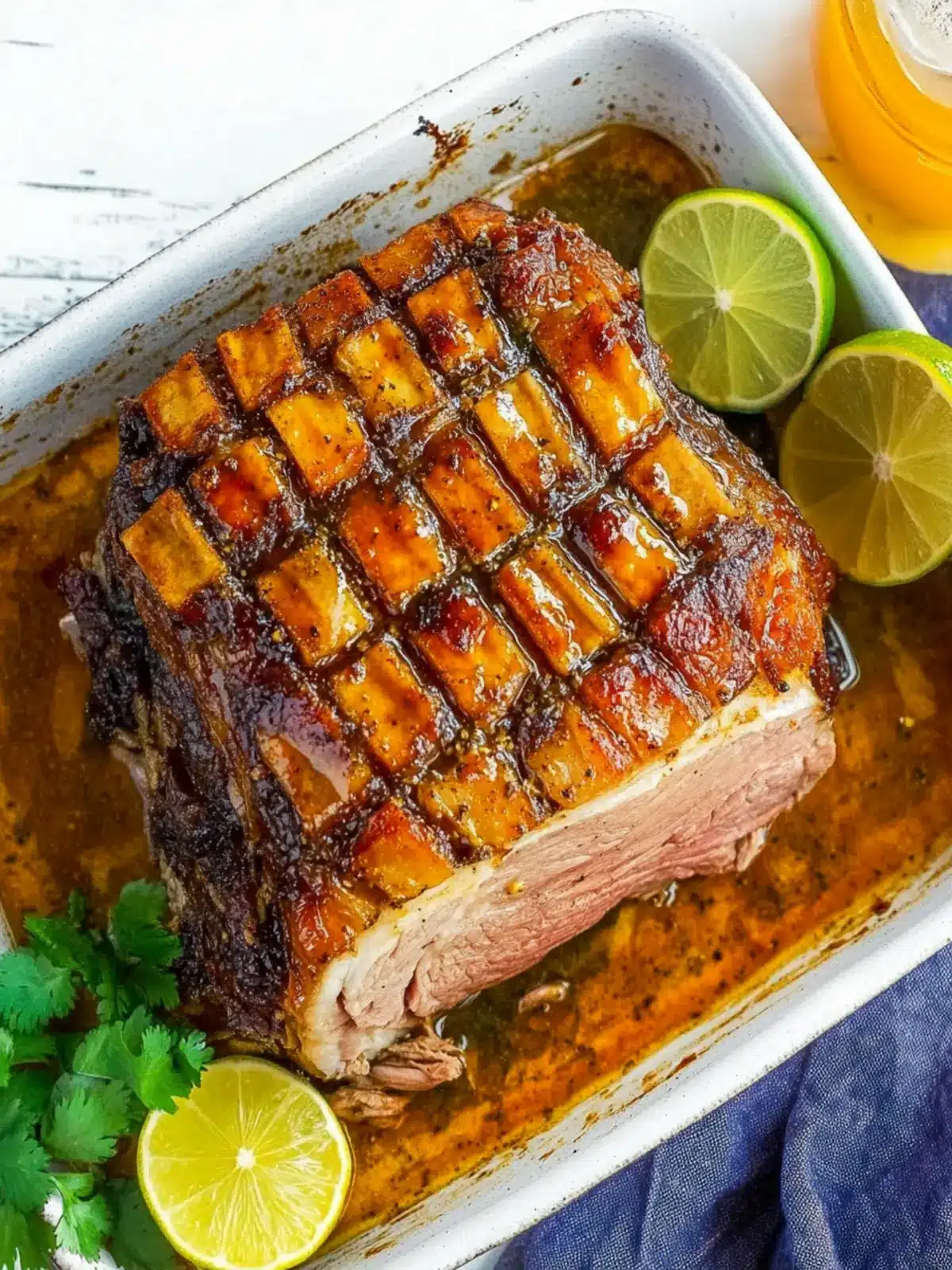
Prepare the Fat Cap: Lay the fat cap back over the roast. Make 4-5 deep, long, evenly spaced slices along the top, without cutting all the way through. Make 4-5 more perpendicular slices to create a beautiful checker pattern.
Season the Fat Cap: Pour the remaining marinade over the fat cap and rub it into the slices so every crevice is covered and ready for roasting.
Marinate Overnight: Cover the pork with aluminum foil and refrigerate for 24-48 hours. Flip every 3-5 hours to ensure even marination, coaxing out those deep flavors.
Preheat the Oven: When ready to roast, preheat the oven to 350°F. Remove the pan from the fridge and let the excitement build!
Add Broth: Lift the aluminum foil and pour in the chicken broth until there are about 2 inches of liquid in the bottom of the pan, adding moisture and depth to the roast.
Begin Roasting: Replace the foil and roast in the oven for 3 ½ 4 hours, rotating the pan every hour to achieve even cooking and browning.
Crisp the Skin: Remove the foil and increase the oven temperature to 400°F. Continue roasting for an additional 30 minutes or until the skin becomes gloriously crispy. The internal temperature should reach at least 180°F.
Cool Down: Let the roast cool for 20-30 minutes before carving and shredding, allowing the juices to redistribute for tender meat.
Finish with Juices: Once shredded, pour some of the pan juice and fresh orange and lime juice over the meat, stirring to combine for that citrusy kick!
Optional: Serve with extra lime wedges for a zesty touch.
Exact quantities are listed in the recipe card below.
Storage Tips for Best Puerto Rican Pernil
Fridge: Store leftover pernil in an airtight container in the fridge for up to 3 days. This ensures the flavors stay fresh and delicious for your next meal.
Freezer: For longer storage, freeze the shredded pork in airtight bags for up to 3 months. Make sure to remove excess air to prevent freezer burn.
Reheating: When ready to enjoy, thaw overnight in the fridge. Reheat in a covered pan over low heat with a splash of chicken broth for moist, flavorful meat.
Marinade Storage: If you have leftover marinade, it can be stored in the fridge for up to a week. Use it to marinate other meats or add flavor to soups!
Expert Tips for the Best Puerto Rican Pernil
Marinate Well: Ensure the pork shoulder is marinated for at least 24 hours, flipping periodically. This allows the flavors to deeply penetrate the meat for the best Puerto Rican Pernil.
Use Fresh Garlic: Using fresh garlic cloves instead of pre-minced alternatives results in a more aromatic and flavorful roast.
Score Carefully: When scoring the fat cap, make sure not to cut all the way through. This helps retain moisture while allowing flavor to permeate the surface beautifully.
Monitor Temperature: Use a meat thermometer to check the internal temperature; it should reach at least 180°F to ensure tender, juicy pork.
Rest the Meat: Let the roast sit for 20-30 minutes after cooking. This resting period allows the juices to redistribute, ensuring every bite is succulent.
Make Ahead Options
These Best Puerto Rican Pernil Recipe ingredients are perfect for meal prep enthusiasts looking to save time on busy weeknights! You can marinate the pork shoulder roast up to 48 hours in advance; just be sure to flip it every 3-5 hours while it’s marinating to ensure that rich flavor penetrates throughout the meat. Additionally, the marinade itself can be prepared a day ahead and stored in the refrigerator. When you’re ready to roast, simply preheat the oven, add the chicken broth, and follow the cooking instructions for that melt-in-your-mouth tenderness. Trust me, no matter how far ahead you prep, this dish will be just as delicious when it s time to serve!
Best Puerto Rican Pernil Variations
Embrace the joy of personalization as you explore ways to make this recipe your own!
Herb-Infused: Add fresh thyme or rosemary to the marinade for a fragrant twist that enhances the pork’s flavor profile.
Citrus Zing: Incorporate a tablespoon of lime zest into the marinade. This brightens the dish and infuses it with an irresistible citrus aroma.
Spicy Kick: Toss in minced jalapeños or a pinch of cayenne pepper to the marinade for a delightful heat that will warm your heart.
Sweet Touch: Mix in a tablespoon of brown sugar to the marinade for a hint of sweetness that balances the savory notes beautifully.
Apple Cider Vinegar: Replace some chicken broth with apple cider vinegar for a tangy twist that keeps the meat moist while adding depth.
Smoked Paprika: Substitute ground cumin with smoked paprika for a smokiness that pairs perfectly with the tender pork.
Vegetable Medley: Layer chopped root vegetables, such as carrots and potatoes, around the roast for a complete, hearty meal that soaks up all the delicious juices.
Puerto Rican Style: Serve alongside traditional sides such as arroz con gandules or tostones to create a full Puerto Rican feast that feels like a cultural celebration.
What to Serve with Pork Shoulder Roast?
Create a festive table that highlights this flavorful centerpiece!
Garlic Mashed Potatoes: The creamy, buttery texture pairs beautifully with the savory roast, soaking up all those delicious juices.
Mango Salsa: A refreshing burst of sweetness and acidity from ripe mango adds a bright contrast, balancing the rich flavors of the pork.
Steamed Vegetables: Crisp, colorful veggies like broccoli or carrots provide a crunchy texture and nutrients, making your meal feel lighter and vibrant.
Rice and Beans: This hearty side is a classic pairing, offering a comforting base that complements the roast while enhancing its Latin flavors.
Crisp Green Salad: A fresh mix of greens, tomatoes, and cucumbers dressed lightly will cut through the richness of the roast, bringing a refreshing crunch.
Pineapple Upside-Down Cake: For dessert, this sweet and tangy cake offers a delightful contrast to the savory meat. The tropical flavors will leave a lasting impression!
Beverages: Serve with a chilled tropical fruit punch or a light, crisp white wine, enhancing the island flair of your dinner.
Creating a delightful spread means every guest has something to enjoy alongside this amazing Pork Shoulder Roast!
Best Puerto Rican Pernil Recipe FAQs
How do I select the right pork shoulder roast?
Choosing the perfect pork shoulder roast is essential for a flavorful Best Puerto Rican Pernil recipe. Look for a cut that has a good balance of marbling, as the fat helps keep the meat juicy and tender during roasting. It should feel firm and slightly moist to the touch. If possible, avoid any pork that has dark spots or unusual odors, as these can indicate spoilage.
What is the best way to store leftover pernil?
To store leftover pork shoulder roast, place it in an airtight container and refrigerate for up to 3 days. This helps to maintain the delicious flavor and moisture. When you’re ready to enjoy it again, simply reheating it on the stove with a splash of chicken broth can help rejuvenate its juicy texture.
Can I freeze the leftover pork?
Absolutely! For longer storage, you can freeze the shredded pork by portioning it into airtight freezer bags. Make sure to remove as much air as possible to prevent freezer burn. It will keep well for up to 3 months. When you’re ready to enjoy, thaw it overnight in the fridge and reheat slowly on the stove or in the microwave.
What do I do if my pork shoulder roast is tough after cooking?
If you find that your pork shoulder roast is tough, it may not have cooked for long enough or at a low enough temperature. For a tender outcome, ensure it cooks to an internal temperature of at least 180°F and allow it to rest for 20-30 minutes after cooking. If it still seems tough, try shredding it and simmering in a bit of broth to help tenderize it further.
Is this recipe suitable for special dietary needs, like allergies?
Yes, but it s important to pay attention to the ingredients for any specific dietary restrictions. For example, if you’re serving someone with a gluten allergy, ensure that the sazon or other seasonings you choose are gluten-free. To make the recipe more suited to various diets, consider using leaner cuts or adjusting the spices according to personal preferences.
How do I know when the pork shoulder roast is done?
The best way to ensure your pork shoulder roast is perfectly cooked is by using a meat thermometer. The internal temperature should reach at least 180°F for optimal tenderness. Additionally, once you remove it from the oven, let it rest for 20-30 minutes before carving. This step allows the juices to redistribute throughout the meat, making every bite juicy and flavorful.