Delicious Filipino Coconut Rice Cake Bibingka for Tropical Bliss
Last Updated on May 8, 2026 by rodrigorecipez
The moment I take a bite of bibingka, I m transported to sun-drenched islands with swaying palms and warm ocean breezes. This beloved Filipino coconut rice cake, a staple during festive gatherings, embodies the happy essence of tropical flavors. The creamy richness of coconut milk combined with sweet rice flour creates a delightfully gooey and spongy texture that wraps around your taste buds like a warm hug. What s more? This gluten-free dessert allows everyone to indulge without worry, making it perfect for any occasion or just a special treat for yourself.
Whether pairing it with fresh mango slices for a bright, fruity twist or savoring it alongside a drizzle of coconut whipped cream, bibingka is sure to become a cherished addition to your dessert repertoire. Let s dive into this easy recipe that promises comfort in every bite and a dash of exotic flair that will have everyone coming back for more!
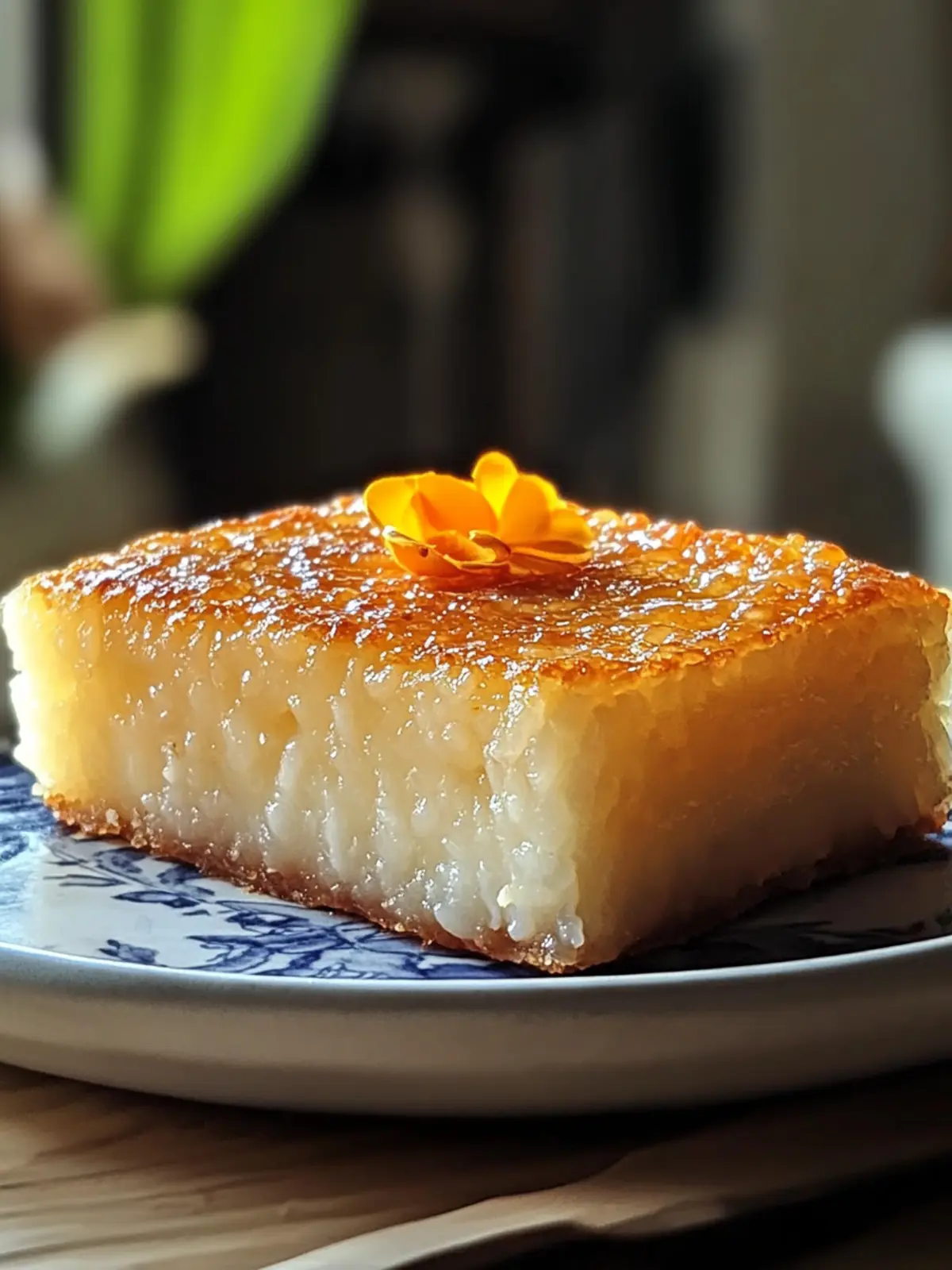
Why is Filipino Coconut Rice Cake Bibingka special?
Unique texture: Experience the perfect blend of gooey and spongy that makes this cake so comforting.
Tropical flavors: Infused with coconut milk and crushed pineapple, each bite evokes feelings of sunny paradise.
Gluten-free delight: Everyone can enjoy this dessert, offering a guilt-free indulgence for gluten-sensitive friends.
Easy to make: With simple ingredients and straightforward steps, you ll have this delectable cake ready in no time!
Crowd-pleaser: Whether for holidays or casual gatherings, bibingka is sure to impress family and friends alike.
Versatile options: Customize with fruits or toppings to suit your taste, making it adaptable for any occasion!
Filipino Coconut Rice Cake Bibingka Ingredients
For the Batter
- Cream Cheese Provides rich flavor and moisture; substitute with mascarpone or Greek yogurt if desired.
- Granulated Sugar Adds sweetness and balances flavors; for a deeper taste, use brown sugar.
- Eggs Binds ingredients together and contributes to the rise of the cake; ensure they are at room temperature for easier mixing.
- Sweet Rice Flour (1 lb. / 3½ cups) Delivers the cake’s unique texture and chewiness; this is essential, so do not substitute with regular rice flour.
- Baking Powder (2 tsp) Helps the cake rise; ensure it s fresh for proper leavening.
- Melted Butter (½ cup) Adds richness and moisture; you can substitute with coconut oil for an enhanced coconut flavor.
- Vanilla Extract (1 tbsp) Enhances overall flavor; use pure extract for the best taste.
- Cream of Coconut (15 oz can) Provides a luscious coconut flavor; avoid coconut milk due to different consistency.
- Milk (1 cup) Adds moisture; feel free to substitute with a plant-based milk for a dairy-free option.
- Crushed Pineapple (8 oz can, undrained) Infuses sweetness and tropical flavor; fresh pineapple can work too, just adjust liquid content as needed.
For the Topping
- Brown Sugar (¼ cup) & Granulated Sugar (2 tbsp) Creates a caramelized crust that adds texture and sweetness on top of the bibingka.
How to Make Filipino Coconut Rice Cake Bibingka
Preheat your oven to 350°F (175°C) and grease a 13×9-inch baking dish. This ensures your bibingka will bake evenly and release easily after it’s done.
Cream the cream cheese and granulated sugar in a large mixing bowl until smooth, around 35 minutes. The mixture should feel airy and fluffy this adds delightful texture to your cake!
Add the eggs one at a time, mixing well after each addition until everything is fully incorporated. This step provides the necessary lift and binds your ingredients together.
Fold in the sweet rice flour and baking powder gently until just combined. Avoid over-mixing to maintain that gooey texture; a light hand will make all the difference!
Stir in the melted butter, milk, cream of coconut, and undrained crushed pineapple until well combined. The batter should be luscious, with a nice tropical aroma wafting through your kitchen.
Transfer the batter to your prepared baking pan and spread it out evenly. Make sure it s well-distributed for consistent baking throughout.
Sprinkle the top with brown sugar and granulated sugar. This will create a beautifully caramelized crust that enhances both the flavor and texture of your bibingka.
Bake for 1 hour or until the top is golden brown and the center is set; a toothpick should come out clean when inserted. This is the moment of truth your bibingka s texture should be perfect!
Cool in the pan for about 15 minutes, then slice into squares and serve warm. Sharing this delicious treat is the best part; enjoy each blissful bite!
Optional: Drizzle with freshly whipped coconut cream for an extra luxurious touch.
Exact quantities are listed in the recipe card below.
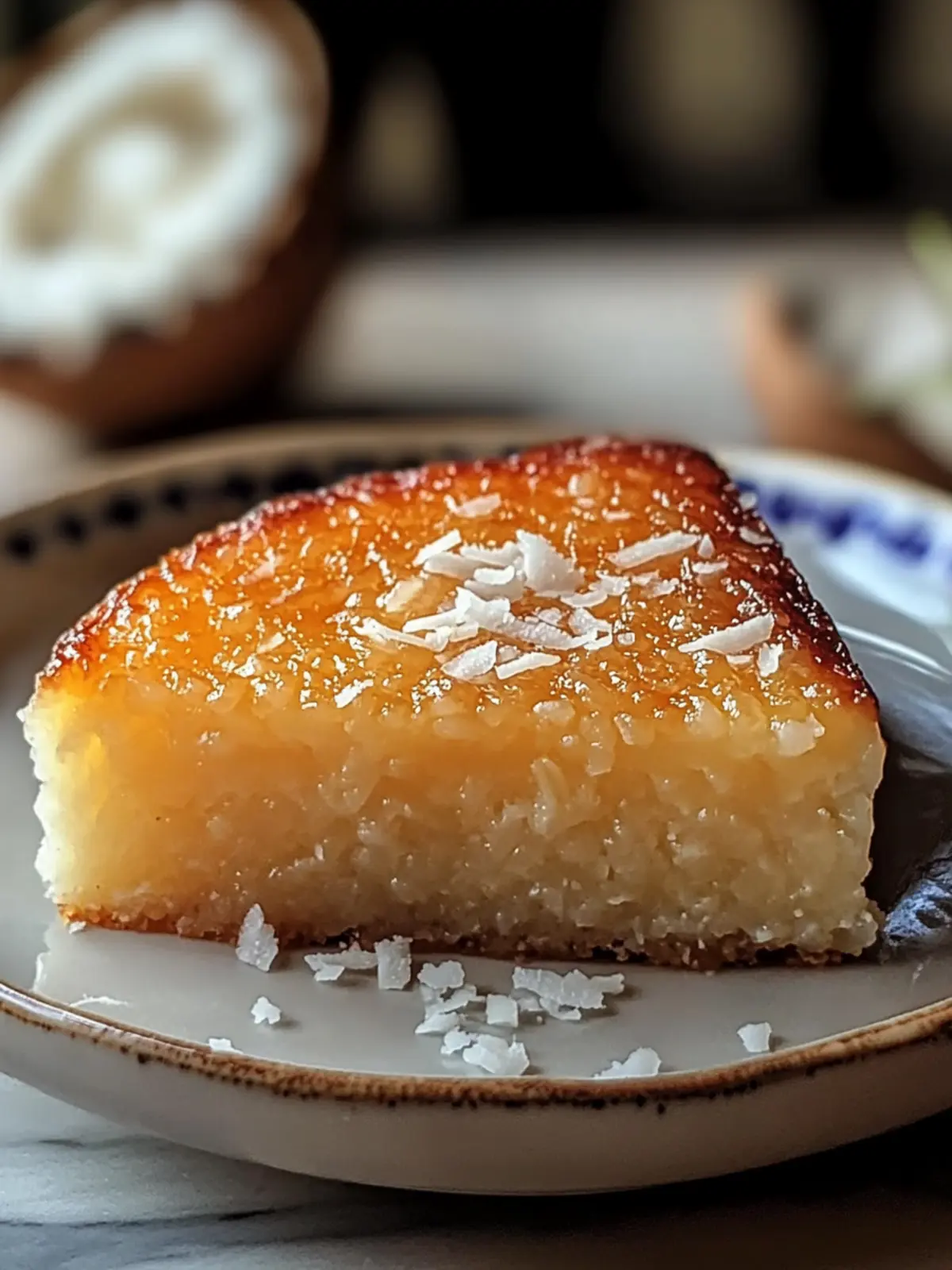
Helpful Tricks for Filipino Coconut Rice Cake Bibingka
- Room Temperature Eggs: Ensure your eggs are at room temperature before mixing; this helps create a fluffier texture in your bibingka.
- Gentle Mixing: Avoid over-mixing the batter to preserve its unique gooey and spongy texture; fold the ingredients together gently.
- Fresh Baking Powder: Always check the expiration date on your baking powder to ensure it s fresh; this guarantees the proper rise for your cake.
- Monitor Baking Time: If using smaller or mini pans, reduce baking time to 25-30 minutes to avoid drying out your Filipino Coconut Rice Cake Bibingka.
- Testing for Doneness: Use a toothpick to test the center of the cake; it should come out clean when the bibingka is done baking for a perfect finish.
How to Store and Freeze Filipino Coconut Rice Cake Bibingka
Room Temperature: Enjoy your bibingka freshly baked for the best flavor; however, it can be left out for up to 2 hours if you re serving at a gathering.
Fridge: Store leftover bibingka in an airtight container in the refrigerator for up to 5 days, ensuring it stays moist and delicious.
Freezer: To freeze, cut the bibingka into squares, wrap them securely in plastic wrap, and place them in a freezer-safe bag for up to 3 months.
Reheating: Thaw overnight in the fridge, then warm each piece in the microwave or oven at 350°F (175°C) for about 10 minutes to restore its delightful texture.
What to Serve with Filipino Coconut Rice Cake Bibingka?
Indulging in bibingka creates the perfect opportunity to craft a delightful and memorable meal experience.
- Fresh Mango Slices: The vibrant sweetness of mango adds a refreshing contrast to the rich creaminess of bibingka.
- Coconut Whipped Cream: Light and airy, this topping enhances the coconut flavor, creating a heavenly dessert experience.
- Sweetened Condensed Milk Drizzle: For those with a sweet tooth, this addition provides an indulgent touch that elevates every bite.
- Tropical Fruit Salad: A mix of papaya, pineapple, and kiwi offers a colorful, zesty accompaniment that harmonizes beautifully with the cake.
Serve your bibingka with a light green salad dressed simply with lime juice. The zestiness will balance the cake’s sweetness, providing a refreshing contrast!
- Sago Pearls: These chewy treats, often enjoyed in desserts, add a unique texture that invites playful eating alongside your bibingka.
- Iced Matcha Latte: The earthiness of matcha provides a soothing balance, making each slice feel more indulgent yet refreshing.
- Coconut Rice Pudding: If you’re craving more coconut, this creamy dessert mirrors bibingka’s flavors while adding a comforting warmth.
Filipino Coconut Rice Cake Bibingka Variations
Feel free to explore these delightful twists on the classic bibingka to make it even more your own!
- Dairy-Free: Substitute cream cheese and milk with coconut cream and a dairy-free milk of choice for a fully plant-based treat.
- Fruit-Infused: Add diced mango or shredded coconut to the batter for an extra layer of tropical flavor, enhancing the cake’s enjoyment.
- Spicy Kick: Mix in a pinch of cayenne or chili powder for a surprisingly delicious heat that contrasts beautifully with the sweetness.
- Nutty Texture: Fold in some chopped roasted nuts, such as cashews or almonds, to add crunch and a nutty flavor profile.
- Maple Sweetness: Swap out granulated sugar with pure maple syrup for a deeper, more complex sweetness, adjusting the liquid content slightly.
- Dark Chocolate: Add chocolate chips or cacao nibs to the batter for a delightful chocolatey twist, marrying the flavors of coconut and chocolate blissfully.
- Tropical Medley: Combine crushed pineapple with diced bananas or papaya for a fruity explosion that brightens the cake.
- Festive Toppings: Top with toasted coconut flakes or a drizzle of caramel sauce to give a festive flair during special occasions or celebrations.
Make Ahead Options
Bibingka is an ideal dessert for meal prep, allowing you to savor tropical flavors without the rush! You can prepare the batter up to 24 hours in advance by mixing all the ingredients and storing it in an airtight container in the refrigerator. This not only saves you time but also allows the flavors to meld beautifully. When you re ready to bake, simply give the batter a gentle stir to ensure it’s well combined before transferring it to the greased pan and topping with sugar. The key is to ensure the batter is kept chilled to maintain its quality and texture. Enjoy this delicious Filipino Coconut Rice Cake Bibingka warm, with a simple reheat if needed!
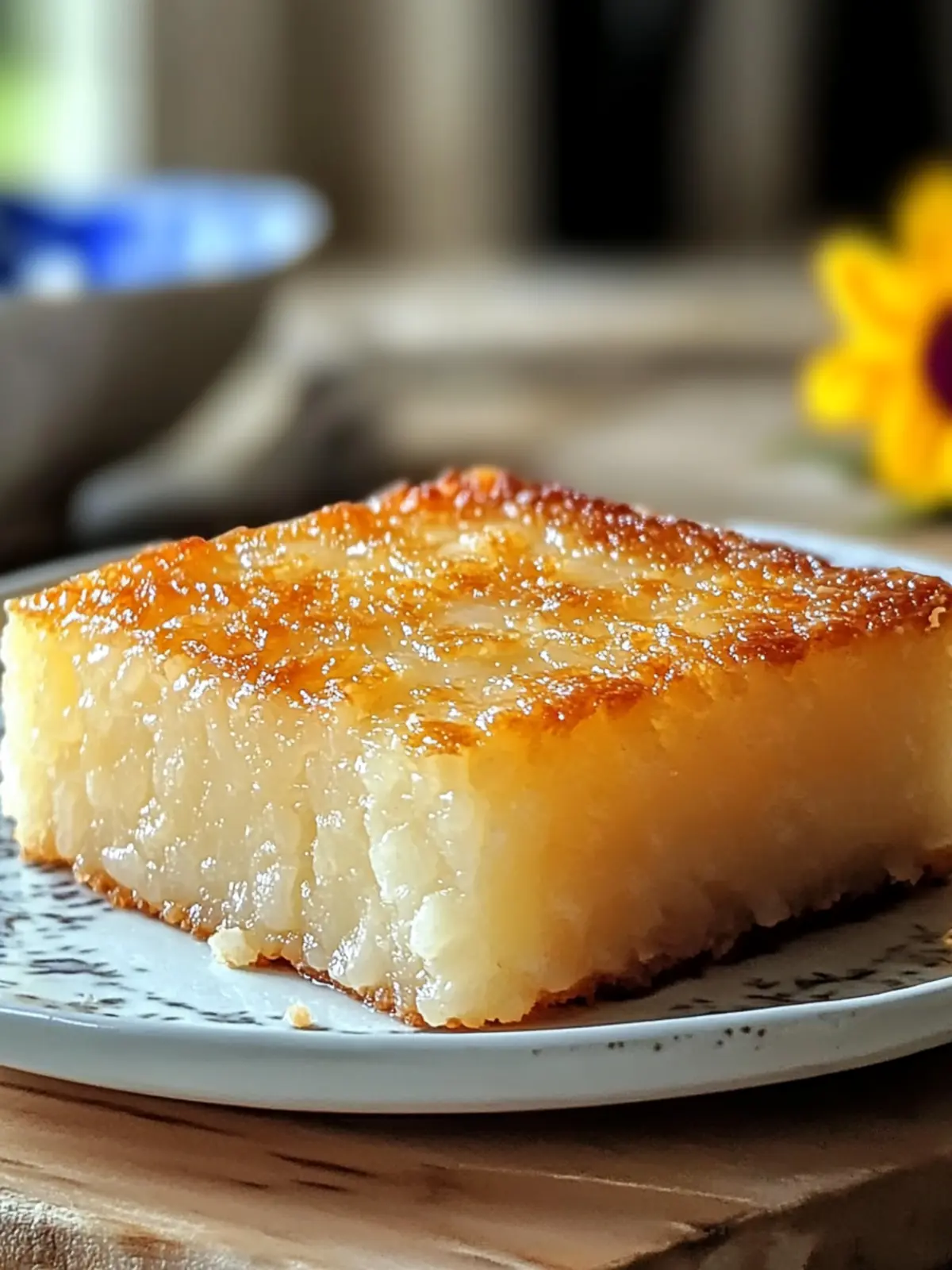
Filipino Coconut Rice Cake Bibingka Recipe FAQs
What type of sweet rice flour should I use for bibingka?
You’ll want to use sweet rice flour, also known as glutinous rice flour, which delivers the unique chewy texture integral to bibingka. Regular rice flour won’t give you the same results, so be sure to stick with sweet rice flour for the best outcome!
How should I store leftover bibingka?
Store leftover bibingka in an airtight container in the refrigerator for up to 5 days. This keeps the cake moist and flavorful. If you plan on keeping it longer, think about freezing it just slice it into squares and wrap each one tightly with plastic wrap before placing them in a freezer-safe bag.
Can I freeze bibingka, and if so, how?
Absolutely! To freeze bibingka, first cut the cake into squares. Then, wrap each piece securely in plastic wrap and place them in a freezer-safe bag. It should maintain its delicious quality for up to 3 months. When you’re ready to enjoy it, thaw overnight in the fridge and reheat in the microwave or oven at 350°F (175°C) for about 10 minutes.
What if my bibingka turns out too dense?
If your bibingka is too dense, it might be due to over-mixing the batter or using cold eggs. For the right texture, gently fold in the dry ingredients and make sure to use room temperature eggs, which helps give the cake a nice lift. Always test the baking powder for freshness, as old leavening agents can affect the rise.
Are there any allergy considerations I should keep in mind?
Yes! This bibingka recipe is gluten-free, making it a great option for those sensitive to gluten. However, if you’re serving guests with specific food allergies, be cautious of the cream cheese, which contains dairy. You can substitute it with mascarpone or Greek yogurt, or try a dairy-free alternative if needed to accommodate lactose intolerance. Always check ingredient labels to be sure!
Can I add other fruits to my bibingka?
Very! Incorporating fresh fruits like diced mango, banana, or even additional pineapple can add delightful flavors and textures to your bibingka. Just be mindful of adjusting liquid content if you’re adding juicy fruits too much moisture can alter the cake’s integrity. Enjoy experimenting with your favorite fruits!